DKA symptoms:
know the warning signs.
Diabetic ketoacidosis (DKA) is the most serious short-term danger of type 1 diabetes. It can build up over a few hours to a day, and it can be life-threatening. It is also largely preventable, and much safer when it is caught early. This page lists the signs to watch for, what to check at home, and when to go to hospital without waiting.
Go to hospital now if you see these
Vomiting
Vomiting more than once, or not able to keep fluids down.
Tummy pain
Stomach pain, often with nausea. In children this is easily mistaken for a stomach bug.
Fast or deep breathing
Breathing that is fast, deep or laboured, even at rest.
Fruity breath
A sweet or nail-polish smell on the breath.
Drowsy or confused
Unusually sleepy, hard to wake, confused, or not making sense.
Very high ketones
Blood ketones 3.0 mmol/L or above, or large (3+) ketones in urine.
Signs of dehydration (dry mouth, sunken eyes, passing very little urine) make it more urgent. Children over 7 years of age with DKA are admitted at Caspian. For a younger child, go to the nearest hospital with a children’s emergency department.
Check ketones early
DKA rarely starts with the red flags. It usually starts quietly. Check ketones when any of these happen:
- Sugar above 250 mg/dL for more than a few hours, or two readings in a row.
- Any illness: fever, cough, cold, loose motions, or vomiting even once.
- Very thirsty and passing a lot of urine, or a child who was dry at night starts bedwetting.
- Unusual tiredness, nausea or loss of appetite.
- A missed or doubtful insulin dose, a pen that may not have worked, or insulin left in the heat.
- A pump problem: a blocked or pulled-out cannula, or an alarm. Pump users have no long-acting insulin in the body, so DKA can start within a few hours.
What your ketone reading means
A blood ketone meter is more accurate than urine strips, because it shows what is happening now. The bands below are a general guide. Your own written sick-day plan comes first.
| Blood ketone (mmol/L) | What it means | What to do |
|---|---|---|
| Below 0.6 | Normal | Carry on. Recheck if still unwell or sugar stays high. |
| 0.6 to 1.4 | Slightly raised | Follow your sick-day plan, drink fluids, take insulin as your plan says, recheck in 2 hours. |
| 1.5 to 2.9 | High, risk of DKA | Call your diabetes team now. Follow the sick-day plan for extra insulin. Recheck within 1 to 2 hours. |
| 3.0 or above | Very high, possible DKA | Go to the nearest hospital emergency department or call 108 now. |
Urine strips: trace or small (1+) is like slightly raised; moderate (2+) is high; large (3+) is very high. Urine shows the last few hours, so it can lag behind.
What usually causes DKA
- Missed insulin. Skipped doses, especially the long-acting (basal) dose, are the most common cause.
- Illness or infection. Stress hormones during illness raise the need for insulin, even when the person is not eating.
- Insulin that has stopped working. Insulin left in a hot car, in the sun, or carried in the Hyderabad summer without a cool pouch can spoil.
- Pump or pen problems. Blocked tubing, a dislodged cannula, an empty cartridge or a faulty pen.
- Type 1 diabetes that has not been diagnosed yet. Many children are first diagnosed when they arrive in DKA. Thirst, frequent urination, weight loss and bedwetting are early clues.
- Certain diabetes tablets. Medicines in the gliflozin group (SGLT2 inhibitors) can cause DKA even when sugar is not very high. They are not routine treatment in type 1 diabetes.
How to lower the risk
- Never skip basal insulin, even on days when your child eats very little.
- Keep a written sick-day plan and blood ketone strips at home. Check the strips have not expired.
- Store insulin as the label says, and carry it in a cool pouch when travelling.
- Pump users: always carry a pen and spare insulin, and know your plan for a pump failure.
- Tell the school what DKA looks like. Our free school care letter and sick-day plan help.
- When ketones are rising and you are not sure what to do, call us early rather than late: +91 78937 89514.
More for families
living with type 1
What families ask us
What are the first symptoms of DKA?
The early signs are usually high sugar readings, strong thirst, passing a lot of urine, tiredness and nausea. Vomiting, tummy pain, fast or deep breathing, a fruity smell on the breath and drowsiness are later warning signs that need hospital care straight away.
How fast can DKA develop?
It can develop over a few hours to a day or two. It can be faster in young children, during an illness, and in insulin pump users, because a pump uses only rapid-acting insulin.
Can DKA happen when sugar is not very high?
Yes. This is called euglycaemic DKA. It can happen with diabetes tablets in the gliflozin (SGLT2 inhibitor) group, in pregnancy, during fasting, or when insulin has been taken but very little food has been eaten. If you are unwell, check ketones even if your sugar is not very high.
Can DKA be treated at home?
Slightly raised ketones can often be managed at home by following your written sick-day plan with advice from your diabetes team. True DKA needs hospital treatment with fluids and insulin through a drip, and close monitoring.
My child is vomiting and not eating. Should I stop insulin?
No. Do not stop basal insulin. Vomiting in a child with type 1 diabetes can be an early sign of DKA. Check blood ketones and sugar, and call your diabetes team. If vomiting continues or ketones are 3.0 mmol/L or above, go to hospital.
Is a blood ketone test better than a urine test?
Yes. A blood ketone meter shows the level now, while urine strips show the last few hours and are affected by how much the person drinks. Both are useful, but blood ketones are preferred for sick days in type 1 diabetes.
Does Caspian Healthcare admit patients with DKA?
Children over 7 years of age with DKA are admitted at Caspian for inpatient care. For a younger child, go to the nearest hospital with a children's emergency department. In an emergency, go to the nearest hospital or call 108.
References
- Glaser N, Fritsch M, Priyambada L, et al. ISPAD Clinical Practice Consensus Guidelines 2022: Diabetic ketoacidosis and hyperglycemic hyperosmolar state. Pediatric Diabetes 2022;23(7):835–856.
- Phelan H, Hanas R, Hofer SE, et al. ISPAD Clinical Practice Consensus Guidelines 2022: Sick day management in children and adolescents with diabetes. Pediatric Diabetes 2022;23(7):912–925.
- Umpierrez GE, Davis GM, ElSayed NA, et al. Hyperglycemic crises in adults with diabetes: a consensus report. Diabetes Care 2024;47(8):1257–1275.
Ketones rising?
Call us early.
If ketones are slightly raised and you are not sure what to do, call or WhatsApp us early. For vomiting, fast breathing, drowsiness or ketones of 3.0 or above, go to the nearest hospital emergency department now.
Caspian Healthcare
Opposite Post Office, Vijay Nagar Colony,
Hyderabad, Telangana 500057
Get directions on Google Maps
Asad, patient coordinator. Call or message on WhatsApp, both reach the same number.
9:00 am – 1:00 pm and 3:00 pm – 9:00 pm
Friday 3:00 pm – 9:00 pm · Sunday closed
By prior appointment only
What to bring to the first visit
- •Recent HbA1c and any lab reports
- •Current insulin doses, written down
- •Glucometer or CGM data, even a photo of the app is fine
- •Your child, if at all possible, this decision is partly theirs
- •A written list of your worries. Do not leave any of them out.
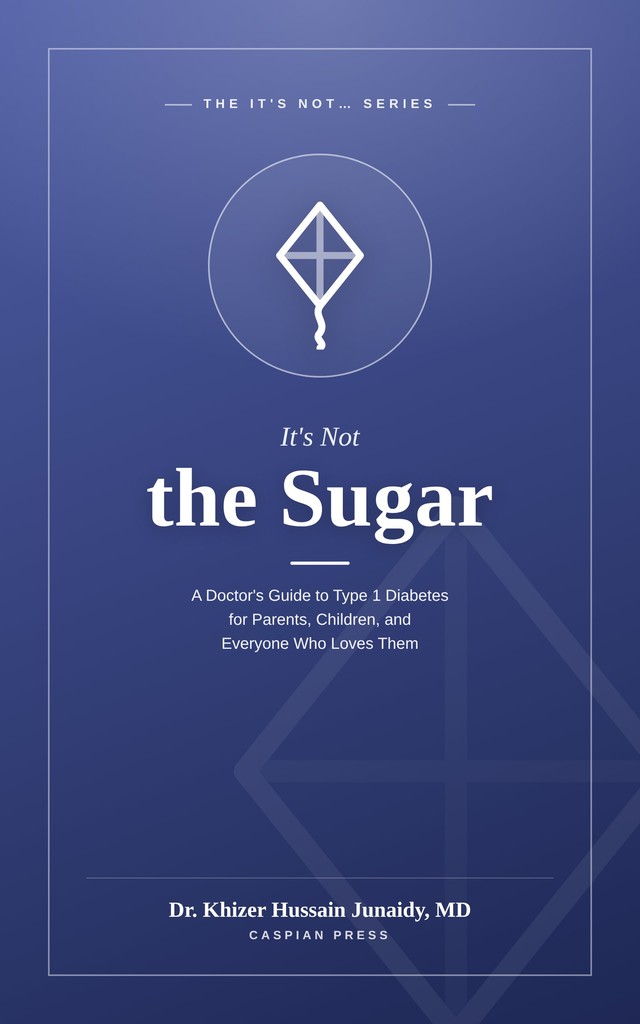
Written by your doctor
It's Not the Sugar
A Doctor's Guide to Type 1 Diabetes for Parents, Children, and Everyone Who Loves Them
Diagnosis day, insulin, carb counting the Indian way, school, sport, lows, festivals, money, and growing up with type 1.
Read it on Amazon